
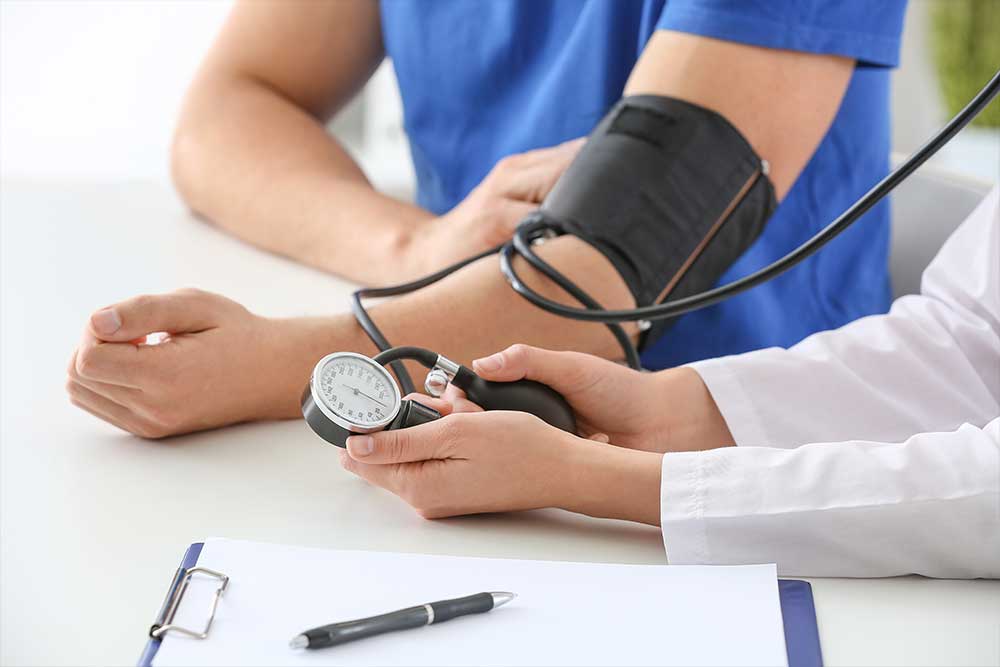
High blood pressure, otherwise known as hypertension, affects over 11.8 million people in England alone, and an additional 5 million undiagnosed cases are estimated. The higher blood pressure is, the greater the risk of stroke, heart attack, heart failure, kidney disease, and dementia.
Keeping track of your blood pressure is a key, as high blood pressure rarely has any symptoms, meaning the only way to know if it is present is to get it tested.
What is blood pressure?
The heart pumps blood around the body through a network of vessels called arteries. Every time the heart pumps it forces blood through these arteries, which then carry it into smaller blood vessels that feed the body with oxygen and nutrients. The pressure that the blood puts on the artery walls as it flows through is called blood pressure. When the heart contracts and forces blood through the arteries your blood pressure goes up, and when the heart relaxes it goes down.
Ways to lower blood pressure
If hypertension is present, there are certain things that should be prioritised and other things that should be avoided.
Things to prioritise:
- Get your blood pressure checked: There may be no symptoms of hypertension, so the only way to know is to get tested – you can get it tested by your GP, some pharmacists, an occupational health representative, or you can even buy your own monitor.
- Eat plenty of fruits and vegetables, at least 5 portions per day: These foods are high in nutrients and antioxidants which can help to reduce the effects of some of the causes of high blood pressure
- Eat plenty of foods containing potassium: Consuming a potassium-rich diet while reducing sodium intake has been shown to reduce blood pressure.
- Moderate-intensity aerobic exercise: Regular exercise has been proven to lower blood pressure by helping to clear the arteries and improve their elasticity.
- Focus on your breathing: Make sure you control your breathing, especially when exercising or performing a physical task; do not hold your breath, and always exhale on the harder part of a movement, e.g. pushing, pulling, or lifting something up.
- Maintain a healthy weight: Being overweight or obese is strongly correlated with hypertension and heart disease, so keeping a healthy weight is very important.
- Find time to relax: Stress can play a significant role in blood pressure, so find ways to unwind, get plenty of sleep, and do things you enjoy.
In the workplace, there are things employees can do to help manage their blood pressure such as taking short walks on lunch breaks, use standing desks when possible, raising any workload concerns to your manager, speaking to others if feeling overwhelmed and practising deep breathing or mindfulness techniques to keep your stress levels low.
Things to avoid:
- Smoking: Smoking correlates with an increased risk of hypertension in the short and long term, so look for ways to cut down and quit if you currently smoke.
- Drinking alcohol in excess: Alcohol also increases blood pressure when it is in the system and will increase it in the long term if consumed regularly and excessively as it can increase LDL cholesterol, a common cause of hypertension due to the ‘artery-clogging’ effect it has.
- Eating more than 6g salt per day: Excess salt can temporarily increase blood volume and pressure, which is a concern for individuals with pre-existing hypertension.
- Performing high-intensity exercise (until you have achieved a normal blood pressure): High intensity physical activity can raise blood pressure while you are doing it, which can be dangerous for individuals with pre-existing hypertension.
- Performing exercises where you hold a position under tension (until you have achieved a normal blood pressure): Holding a position under tension, such as a plank exercise, can increase blood pressure, which is dangerous for those with pre-existing hypertension.
- Perform exercises where you press heavy weights above your head (until you have achieved a normal blood pressure): Exercises such as a shoulder press can increase blood pressure while doing them, which can be dangerous for people with pre-existing hypertension.
Further support
NHS – Information about hypertension and high blood pressure.
British Heart Foundation – Guidance on looking after your blood pressure.
Know Your Numbers – Annual campaign encouraging people to check their blood pressure.
Ref: WPW0087 this information was reviewed February 2025.