
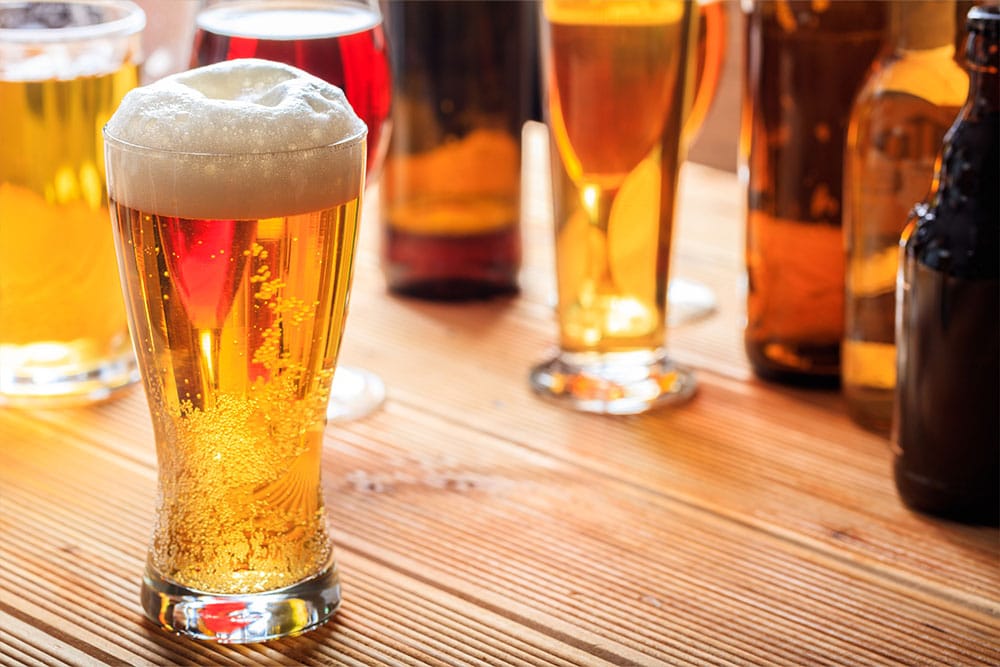
For some people alcohol can be part of many occasions but like many drugs it’s addictive, both physically and psychologically. Alcohol dependence means that drinking alcohol becomes an important, or sometimes the most important, factor in an individuals life and they feel they’re unable to function without it.
Suggested safe limits
Alcohol is measured in units. A unit of alcohol is roughly the equivalent of half pint of beer or a small glass of wine, higher alcohol content of some drinks e.g. lagers would mean that less than a half pint would be equivalent to a unit.
To keep health risks from alcohol to a low level if you drink most weeks:
- Men and women are advised not to drink more than 14 units a week on a regular basis.
- Spread your drinking over three or more days if you regularly drink as much as 14 units a week.
- If you want to cut down, try to have several drink-free days each week.
Fourteen units is equivalent to six pints of average-strength beer or 6 glasses of wine.
www.alcoholconcern.org.uk/unit-calculator
If you drink less than 14 units a week, this is considered low-risk drinking. It’s called “low risk” rather than “safe” because there’s no safe drinking level. The type of illnesses you can develop after 10 to 20 years of regularly drinking more than 14 units a week include:
- Cancers of the mouth, liver, bowel and breast
- Stroke
- Heart disease
- Liver disease
- Brain damage
- Damage to the nervous system
There’s also evidence that regular drinking at high-risk levels can make your mental health worse. Research has found strong links between alcohol misuse and self-harming, including suicide.
The effects of alcohol on your health will depend on how much you drink. The less you drink, the lower the health risks.
Self-help ideas
- Get help and support from friends and family, consider changing your circle of friends if they are all in a similar situation.
- Finding things to keep you busy will help to keep your mind off the problem.
- If you do go out for a drink, choose soft drinks or water between the alcoholic drinks to reduce consumption of alcohol.
- Seek help from known organisations to strengthen your resolve.
Health risks
Your GP is the first point of contact if you are worried about your health; your GP will be able to discuss the options available to you including any risks connected with giving up alcohol suddenly.
Further support
Drink Aware – Drinking check
NHS – Overview of alcohol misuse
Alcohol Change – Alcohol Change UK is a leading UK alcohol charity
Adfam – Adfam is the leading charity in England for all the millions of people affected by someone else’s drinking, drug use or gambling
Alcoholics Anonymous – AA, who come together with one aim: to stay sober, and help other alcoholics seeking help to stop drinking.
Ref: WPW0039 this information was updated October 2024.