
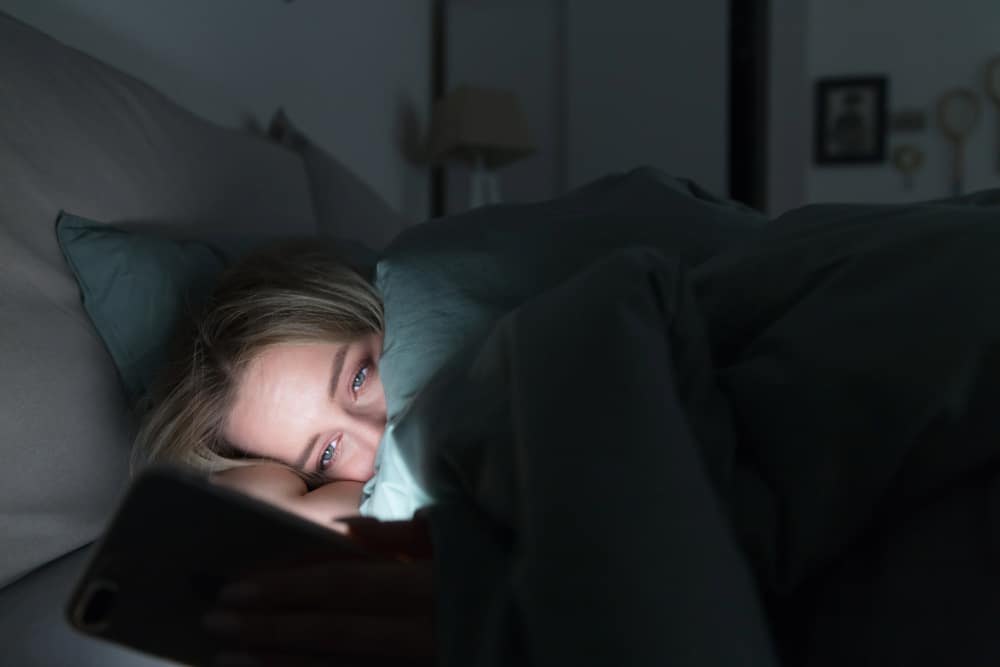
A good night’s sleep refuels and re-energizes you, making you feel refreshed, positive and ready to cope with the stresses of a normal day. However, a lack of sleep has the opposite effect and can make you weary, irritable and less able to tackle those difficult situations. This perceived inability to cope can also be stressful in itself and can lead to more sleepless nights.
The amount of sleep we need varies greatly between individuals but on average adults sleep for about seven and a half hours a night. If you lose a few nights sleep you shouldn’t worry, your body will take all the sleep it needs unless it is forcibly prevented from doing so and experiments show that the occasional night of poor sleep may leave you feeling tired and grumpy, but it has little impact on your overall performance.
Some of the most common sleep disorders include:
- Insomnia
- Shift work sleep disorder (SWSD)
- Sleep apnoea
- Narcolepsy
What is insomnia?
Insomnia is difficulty getting to sleep or staying asleep for long enough to feel refreshed the next morning. It is a common problem thought to regularly affect around one in every three people in the UK and is particularly common in elderly people.
If you have insomnia, you may:
- Find it difficult to fall asleep
- Lie awake for long periods at night
- Wake up several times during the night
- Wake up early in the morning and not be able to get back to sleep
- Not feel refreshed when you get up
- Find it hard to nap during the day, despite feeling tired
- Feel tired and irritable during the day and have difficulty concentrating
Occasional episodes of insomnia may come and go without causing any serious problems, but for some people it can last for months or even years at a time. Persistent insomnia can have a significant impact on your quality of life. It can limit what you’re able to do during the day, affect your mood, and lead to relationship problems with friends, family and colleagues.
What causes insomnia?
It is not always clear what triggers insomnia, but it’s often associated with:
- Stress and anxiety
- A poor sleeping environment – such as an uncomfortable bed, or a bedroom that’s too light, noisy, hot or cold
- Lifestyle factors – such as jet lag, shift work, or drinking alcohol or caffeine before going to bed
- Mental health conditions – such as depression
- Physical health conditions – such as heart problems, other sleep disorders and long-term pain
- Certain medicines – such as some antidepressants, epilepsy medicines and steroid medication
What is shift work sleep disorder?
Shift work sleep disorder (SWSD) is a circadian rhythm sleep disorder and affects people who work non-traditional hours e.g. different shifts or work at night. There are 22% shift workers in the UK, with 22% working one night shift a month and 11.7% who are full time night workers – all of who are at risk of shift work sleep disorder.
The main challenge of shift work is that it forces you to sleep against the clock. You have an internal body clock in your brain that produces circadian rhythms which signal to you when it is time to sleep or wake up. This is often set by exposure to sunlight. Shift workers must fight the body’s natural rhythms to try and stay awake and then feel sleepy in the day when the body expects to be alert. Daytime sleep is often less efficient that night-time sleep as you’re constantly battling against disturbance factors – such as light, noise etc – and challenging your body’s natural circadian clock.
Many shift workers often feel like they haven’t had enough sleep and though they may sleep well, often find themselves lethargic and irritable and have difficulty concentrating. For people with shift work sleep disorder this becomes an ongoing problem and starts to interfere with family life and work.
Symptoms include:
- Trouble falling asleep or staying asleep
- Excessive sleepiness
- Microsleeps – which last just a few seconds
- Depression
- Lack of energy
- Trouble concentrating
Unfortunately shift workers have the hardest time when it comes to achieving a good night’s sleep. Some shift workers may work a week of nights, others may have mixed rotating shifts, making it difficult to get into any kind of routine. It can cause chronic sleep deprivation which has serious implication on health, productivity and safety. Because of the different sleep times, bedtime routines should be taken from environmental cues rather than timings.
There are coping strategies to deal with the sleep problems caused by rotating work shifts and ongoing night work. This usually involves improving sleep hygiene. However, if you think you are suffering with shift work sleep disorder, visit your GP.
Sleep apnoea
Sleep apnoea is a serious sleep disorder that occurs when a person’s breathing is interrupted during sleep. It can affect anyone at any age including children.
Higher risk factors include:
- Being male
- Being overweight
- Being over age 40
- Having a large neck size
- Having large tonsils, a large tongue, or a small jaw bone
- Drinking alcohol and smoking
- Having a family history of sleep apnoea
- Gastroesophageal reflux, or GERD
- Nasal congestion
Common symptoms include:
- Waking up with a very sore or dry throat
- Loud snoring
- Occasionally waking up with a choking or gasping sensation
- Excessive sleepiness or lack of energy during the day
- Sleepiness or falling asleep during the day
- Sleepiness while driving
- Morning headaches
- Restless sleep
- Forgetfulness, mood changes and can affect libido
- Recurrent awakenings or insomnia
If left untreated, sleep apnoea can have a significant impact on quality of life and health, increasing the risk of developing of certain conditions such as high blood pressure and type 2 diabetes.
What is narcolepsy?
Narcolepsy is a rare, long term, neurological condition that causes a person to suddenly fall asleep at inappropriate times as the brain is unable to regulate the normal sleep-wake cycle. According to Narcolepsy UK there are around 30,000 sufferers in the UK.
How to get to sleep
If you have a hard time falling asleep, a regular bedtime ritual will help you wind down and prepare for sleep. Simple lifestyle changes can make a world of difference to your quality of sleep.
Try these 10 tips to beat insomnia:
- Keep regular sleep hours – Going to bed and getting up at roughly the same time every day will programme your body to sleep better. Choose a time when you’re likely to feel tired and sleepy.
- Create a restful sleeping environment – Your bedroom should be a peaceful place for rest and sleep. Temperature, lighting and noise should be controlled so your bedroom environment helps you to fall (and stay) asleep. If you have a pet that sleeps in the room with you, consider moving it somewhere else if it often disturbs you in the night.
- Make sure your bed is comfortable – It’s difficult to get restful sleep on a mattress that is too soft or too hard, or a bed that is too small or old.
- Exercise regularly – Moderate exercise on a regular basis, such as swimming or walking, can help relieve some of the tension built up over the day. Make sure you don’t do vigorous exercise, such as running or the gym, too close to bedtime as it may keep you awake.
- Cut down on caffeine – Cut down on caffeine in tea, coffee, energy drinks or colas, especially in the evening. Caffeine interferes with the process of falling asleep, and also prevents deep sleep. Instead, have a warm, milky drink or herbal tea.
- Don’t over-indulge – Too much food or alcohol, especially late at night, can interrupt your sleep patterns. Alcohol may help you to fall asleep initially, but it will disrupt your sleep later on in the night.
- Don’t smoke – Nicotine is a stimulant. Smokers take longer to fall asleep; they wake up more frequently, and they often have more disrupted sleep.
- Try to relax before going to bed – Have a warm bath, listen to quiet music or do some gentle yoga to relax the mind and body. Your doctor may be able to recommend a helpful relaxation podcast.
- Write away your worries – If you tend to lie in bed thinking about everything you have to do tomorrow, set aside time before bedtime to make plans for the next day. The aim is to avoid doing these things when you’re in bed, trying to sleep.
- If you can’t sleep, get up – If you can’t sleep, don’t lie there worrying about it. Get up and do something you find relaxing until you feel sleepy again, then go back to bed.
How many sleeping disorders impact work?
Sleep disorders can significantly affect job performance, especially in safety-critical roles. If you have been newly diagnosed with a sleep disorder, or if you have any of the conditions mentioned above, it’s crucial to inform your manager. They can guide you on the next steps, which may include consulting your GP for further advice. Depending on the severity of the condition, there might be temporary restrictions on your role to ensure safety and maintain productivity.
Further support
The Sleep Charity – Information and support on sleep
Sleep Apnoea Trust – A patient support charity raising awareness of sleep apnoea
NHS – How you can treat insomnia yourself
NHS – Self-help tips to fight tiredness
Narcolepsy – Charity dedicated to helping people with narcolepsy
Ref: WPW0055 This information was reviewed June 2024.