Menstrual health is a crucial aspect of physical and mental well-being, yet it is often overlooked or misunderstood. Menstruation is a natural biological process that affects individuals who experience periods. Understanding how to manage pre-menstrual symptoms (PMS) and reduce the severity of periods can greatly improve the experience of menstruation throughout the cycle.
Pre-menstrual syndrome (PMS)
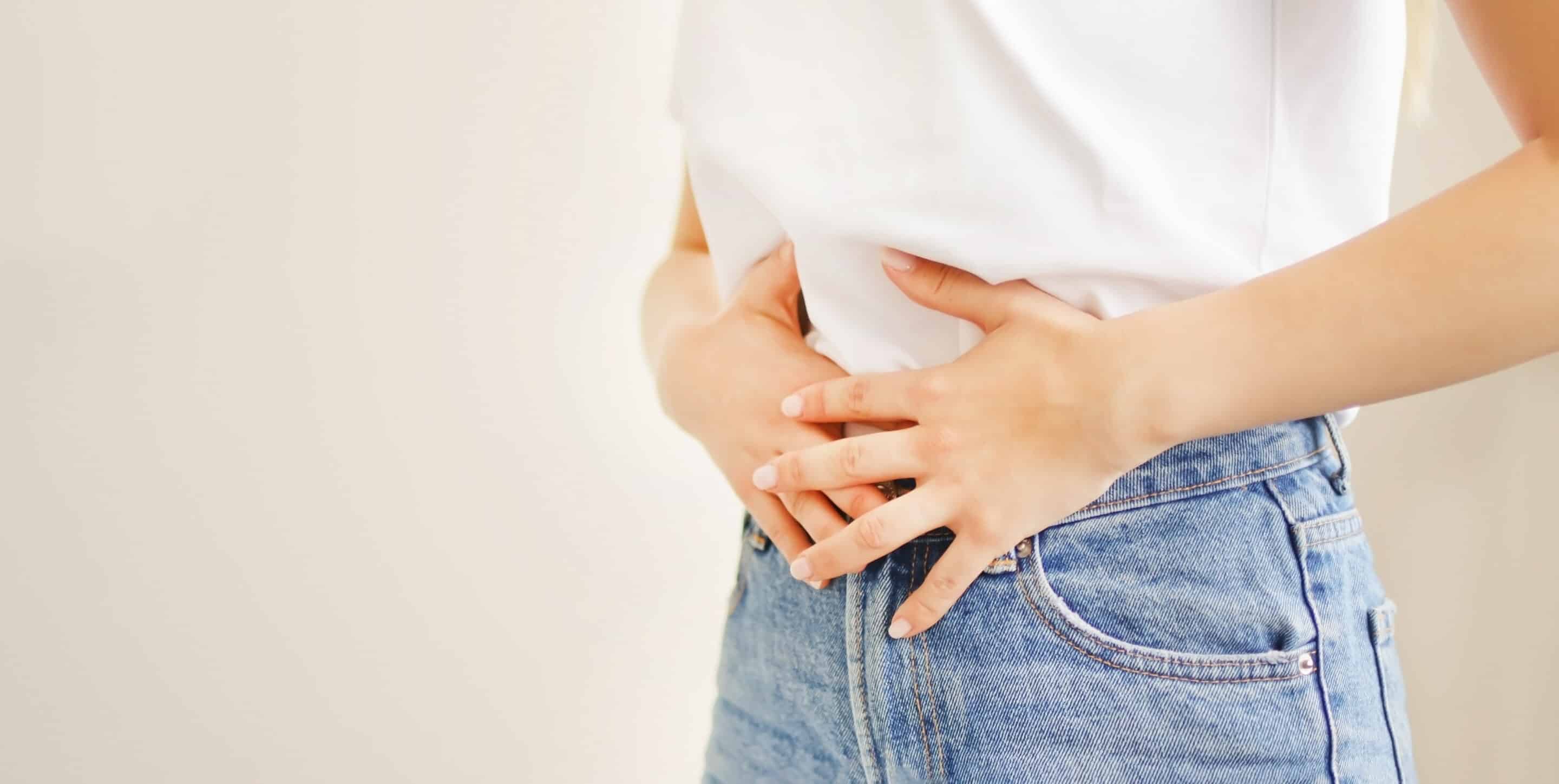
PMS affects many people who menstruate, typically occurring in the days leading up to a period. Symptoms vary but commonly include mood swings, irritability, bloating, fatigue, headaches, and cramps. For some, PMS can even be debilitating and interfere with daily life.
Managing PMS effectively
While some risk factors (such as age and genetics) are beyond our control, lifestyle choices can play a huge role in managing PMS symptoms. Here are some key steps to protect your health:
- Diet and nutrition – Eating a balanced diet rich in whole grains, fruits, and vegetables can help regulate hormones and reduce symptoms. Reducing caffeine, alcohol, and processed foods may also help alleviate mood swings and bloating.
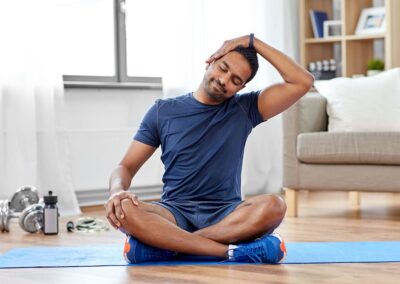
- Exercise – Regular physical activity, especially low-impact exercises like yoga, swimming, and walking, can improve mood and relieve cramps.
- Hydration – Drinking plenty of water prevents bloating and helps with digestion, reducing discomfort.
- Stress management – Practices like mindfulness, meditation, and deep breathing can help regulate emotions and reduce PMS-related anxiety,
- Supplements – Certain vitamins and minerals, such as magnesium, vitamin B6, and calcium, have been found to reduce PMS symptoms in some people.
- Adequate sleep – Poor sleep can exacerbate PMS symptoms, so maintaining a consistent sleep routine is also important.
Easing the intensity of periods
For those who experience heavy, painful, or irregular periods, there are some strategies to reduce their severity:
- Hormonal birth control: Options such as birth control pills, patches, injections, or intrauterine devices (IUDs) can regulate menstrual cycles and reduce heavy bleeding.
- Herbal remedies: Some herbal supplements, such as ginger and chasteberry, have been traditionally used to ease menstrual symptoms.
- Over-the-counter medications: Nonsteroidal anti-inflammatory drugs (NSAIDs) like ibuprofen can help reduce pain and heavy bleeding when taken at the onset of menstruation.
- Heat therapy: A heating pad or warm bath can relax muscles and alleviate cramps.
- Diet adjustments: Increasing iron-rich foods (such as spinach and lentils) can help counteract heavy bleeding and prevent anaemia.
- Checking in with your GP: If periods are excessively painful or heavy, consulting your doctor is important to rule out underlying conditions like endometriosis or polycystic ovary syndrome (PCOS).
Inclusive menstrual health
Trans men and non-binary individuals who menstruate often face additional challenges, including gender dysphoria and lack of access to gender-affirming menstrual products. Some specific suggestions for easing the intensity of PMS and periods if you’re non-binary or a trans man;
- Period products: Using gender-neutral menstrual products, such as reusable pads or menstrual cups, can provide comfort and reduce dysphoria.
- Support networks: Engaging with inclusive communities and seeking gender-affirming care can improve mental well-being during menstruation.
- Talking to your GP: Talk to your GP about other emerging treatments and their suitability for you as an individual.
Managing PMS and period severity is for many an important part of physical and mental wellbeing. Symptoms such as cramps, fatigue, and mood swings can impact daily life, but lifestyle changes like a balanced diet, exercise, and stress management can provide relief, as can medical options, including hormonal treatments and pain relief methods.
Ref: WPW0320 this information was published April 2025.